
There are a number of different things that your dog needs to stay healthy, and it is important that you know what they are. With all of the different types of supplements for dogs, it can be difficult choosing the right ones to give your canine companion. Take the time to look over the following information so you can get a better idea as to which supplements your dog can really benefit from, because they could extend the life of your pet by keeping it extra healthy.
Glucosamine Supplements

Glucosamine is a substance that is naturally found in a dog’s body, and the highest concentration of it is always found in healthy cartilage. The glucosamine in your pet’s body produces glycosaminoglycan, which is responsible for forming and repairing the animal’s body tissues as well as cartilage.
As your dog gets older, the natural production of this substance slows down. As a direct result, your dog’s natural ability to repair its own cartilage begins to slow, leading to joint pain and uncomfortable stiffness. Most dogs are quite active and this daily wear and tear can have a profoundly negative effect on an older dog. Fortunately, giving your dog glucosamine supplements can help it by restoring some of its glucosamine production, rebuilding cartilage and preventing future problems with painful joint stiffness.
Benefits of Glucosamine for your Dog
It is crucial that you take some time to look over the following benefits of glucosamine for your dog, because it could make a hugely positive impact on their lives:
- Glucosamine has anti-inflammatory properties that can help reduce joint pain and stiffness
- Negative side-effects are rarely seen in dogs
- It can help restore your dog’s joints in a healthy and natural way, increasing its mobility.
- Lubricates your dog’s joints, making it easier to move and reducing discomfort.
- It can reduce or even completely eliminate the need for NSAIDS, which can have a number of negative side-effects, especially when used long term.
Combining Glucosamine, Chondroitin, and MSM
Although it is true that glucosamine supplements can be extremely effective when it comes to increasing your dog’s overall mobility and vitality, it is also a good idea to consider the benefits of combining it with chondroitin and MSM. Chondroitin is another substance that is produced naturally in your dog’s body and is found in the cartilage. When it is used in combination with glucosamine, the positive effect can be even more noticeable. MSM or methylsulphynolmethane is also a natural compound that is believed to improve joint flexibility, reducing pain as well as inflammation.
It can take only a matter of weeks before you start to see improvements in your dog’s ability to get around when giving it glucosamine, chondroitin, and MSM supplements together. Many pet owners have been able to give their dogs the relief they need with these supplements, making the rest of their lives happier and healthier overall.
Probiotics
Probiotics are a healthy form of bacteria that are naturally found in the digestive tract, and they can be extremely beneficial for your pet. There are many different types of these bacteria, including Lactobacillus, Enterococcus, and Streptococcus. Some bacteria is found only in the small intestine, while others are located in the large intestine, also known as the colon.
Benefits of Probiotics

Every dog can benefit from probiotics, as they help with the digestive process and work to strengthen the immune system. Probiotics produce what is known as short-chain fatty acids or SCFAs, which prevent harmful bacteria like salmonella from growing and wreaking havoc on your dog’s immune system.
There have been a number of human studies that have documented just how effective certain types of probiotics can be when treating anything from irritable bowel to intestinal inflammation, and they have even been known to reduce allergic reactions by controlling inflammation.
Some of the more common benefits associated with probiotics include:
- Resistance to diarrhea
- Improved resistance to food poisoning
- Improved digestive process
- Increased production of important nutrients, including vitamin K, which the body does not produce naturally.
- Enhanced resistance against viruses
- Strengthens immune system
- Reduces cholesterol levels
With all of the different health problems dogs can develop, it is important to protect them and preserve their health for as long as possible. There are many other benefits to giving your dog probiotics, which is why so many people decide to give them to their pets.
There are certain specific strains of bacteria that have been known to benefit many dogs, including Enterococcus faecium, cutting in half the time it takes for diarrhea to be resolved in these animals. Probiotics can improve the frequency as well as the quality of a dog’s stool, which can be especially beneficial for those that have bowel issues.
It is important to keep in mind that there are certain species of probiotics that need to be refrigerated in order to stay active, so you will need to follow the instructions on the label to the letter. When it comes to dosage or how much you should give your dog, you will again want to refer to the instructions on the label so you do not give your pet too much or too little.
Fish Oil Supplements
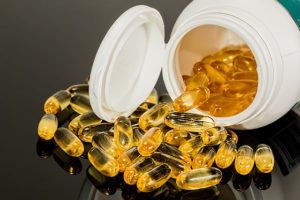
Fish oil is one of the most important supplements to give your dog because of the wide variety of health benefits that are associated with it. No matter what type of diet your dog is currently on, you will most likely find that fish oil will benefit your pet in a number of ways.
The omega-3 fatty acids that are found in fish oil can help to give your dog a long and healthy life, so it gets exactly what it needs on a daily basis.
Benefits of Fish Oil
There are lots of different benefits associated with fish oil, including:
- It helps to regulate and strengthen the immune system, suppressing overactive immune systems in dogs that have problems with allergies or an autoimmune disease.
- Contributes significantly to the mental development of both fetuses and puppies as well as improving cognitive function in adult dogs.
- Lowers blood pressure and triglycerides significantly
- Offers support for dogs that have kidney disease, cancer, and heart disease
- Helps with maintaining weight or aiding in weight loss for overweight dogs
It is important to keep in mind that fish oil should be stored properly, away from light, air, and heat. Always keep your fish oil in dark bottles in the refrigerator to keep it active so your dog can benefit from it as much as possible. Do not purchase too much fish oil at one time, as you will want to avoid having an entire bottle go bad before you get the chance to use it.
Fish Oil Dosage Tips: Whether using fish oil supplements for humans or dogs, the dosage is important. If your dog is healthy, you can give it anywhere from 100 to 150 mg per 10 pounds of body weight on a daily basis. Dogs that do have health problems, however, should be given up to 300 mg per 10 pounds of body weight each day.
When it comes to liquid fish oil products, the recommended dosage tends to be a bit too high, resulting in an excessive amount of fat and calories in your pet’s diet. If you give your dog too much fish oil, it can actually cause problems with their platelets, resulting in excessive bleeding as well as inflammation.
Typically, it takes around 3 weeks to start seeing a noticeable difference in your dog after you begin giving it the fish oil supplements. Although this period of time varies depending on the dosage and overall health of the dog, it has been known to help improve the overall health of these animals.
